

Scapula Explained -Anatomy and Mobility For Press Handstand
Controlling the Scapula is the key element for handstand skills. There can be a huge impact on your handstand progress. What to do with the shoulders during a handstand can be a little complex, and there is no technique that is 100% correct for everyone. However, there are a couple of universal elements that need to be adopted.
The first is locking out the shoulders.
Understanding correctly about the scapula mobility for handstands is the most efficient path to improve your skills. In this article, I would like to go through an introduction to the shoulders/scapula range of motion and their role in handstand alignment and technique.
What should be the main techniques to follow for a solid shoulder placement for handstands?
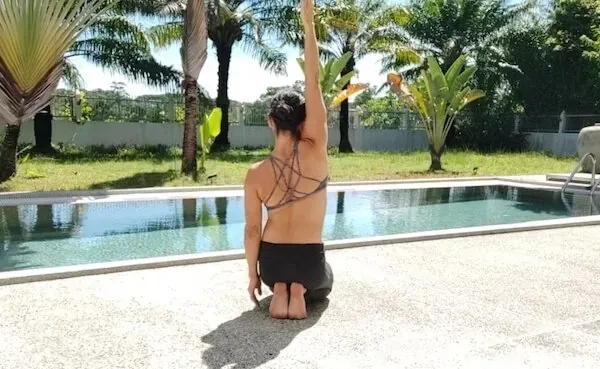
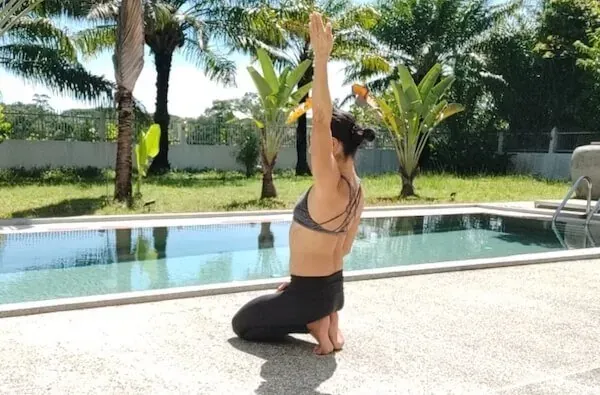
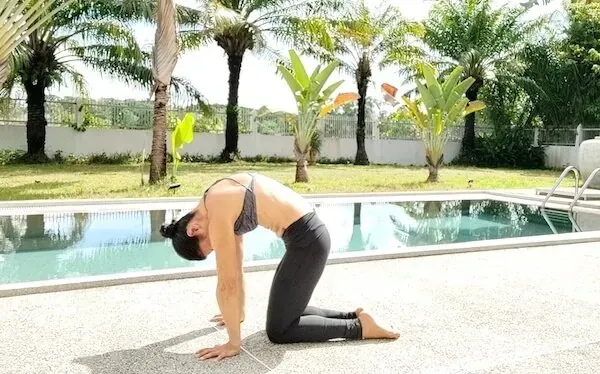
Before diving into the reasons why this specific engagement of the scapula is relevant and beneficial for handstands, it's worth taking a moment to explain what these movements are.
The scapula decides the range of motion at the shoulder joint. There are a lot of moving parts when it comes to shoulder overhead mobility. The scapula plays an important role in shoulder health. It is heavily involved in shoulder movement. The scapula is hanging between the upper arm and clavicle and is not directly attached to the torso. Overhead mobility is primarily achieved with shoulder flexion or scapula abduction/upward rotation/elevation, and thoracic extension.
We typically refer to the shoulder as a complex joint that has a lot of movement opportunities. Another level of movement of the joint happens at the scapula. This flat bone is a peculiar one in regards to how it attaches to the body, as it is "floating" over the ribs on our back. Partly supported by the clavicle that creates a bridge of connection to the chest bone, most of its stability and rigidity, comes from all the muscles and connective tissue that attaches it to the body. This explains why the scapula can move so much and in so many ways over our backs. Instability of the scapula can cause major shoulder issues. It is important to make sure that the scapula moves within the joint in the full and proper range of motion. To ensure proper shoulder mobility, you need to work the shoulder in many ways. If your shoulders are weak and you cannot control them fully, be aware of your limitations. Make improving your shoulder strength and scapula control your No. 1 priority. You will have healthy shoulders for the rest of your life. It takes lots of work to keep the shoulders healthy, but it is a rewarding experience.
What exactly should do scapula for handstands?
If you are already a handstand practitioner, I believe it’s familiar for you to hear: “Bring the shoulders towards the ears” or “Shrug the shoulders”. I tried all of them once for a while and felt that something was still missing. It took me a while to figure out. If you follow these instructions, it will take a longer time to improve your handstand skill. While lifting the shoulders, the neck should NOT be squeezed “ Bringing the shoulders closer to the ears” or “Shrug the shoulders” is not precise enough because there are other things you need to keep in mind for this simple move (see the images down below). What about the discomfort of the neck, the shoulder rotation, and the muscles around this area? I am going to explain below how I experimented and discover the way that works.
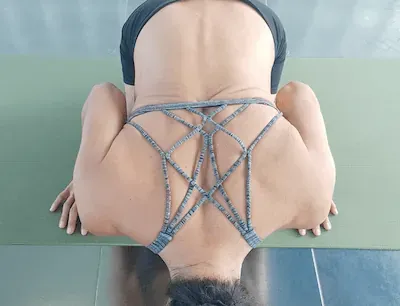
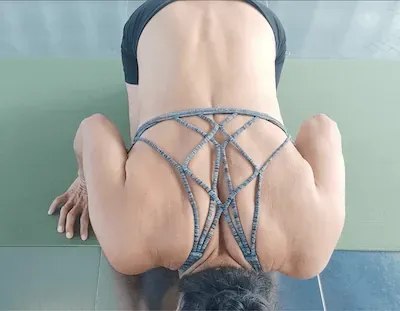
Space between the neck and shoulders is always the best for flexible mobility for balancing
Let's Have a Closer Look at Shoulder + Scapula Movements and which muscles are working...
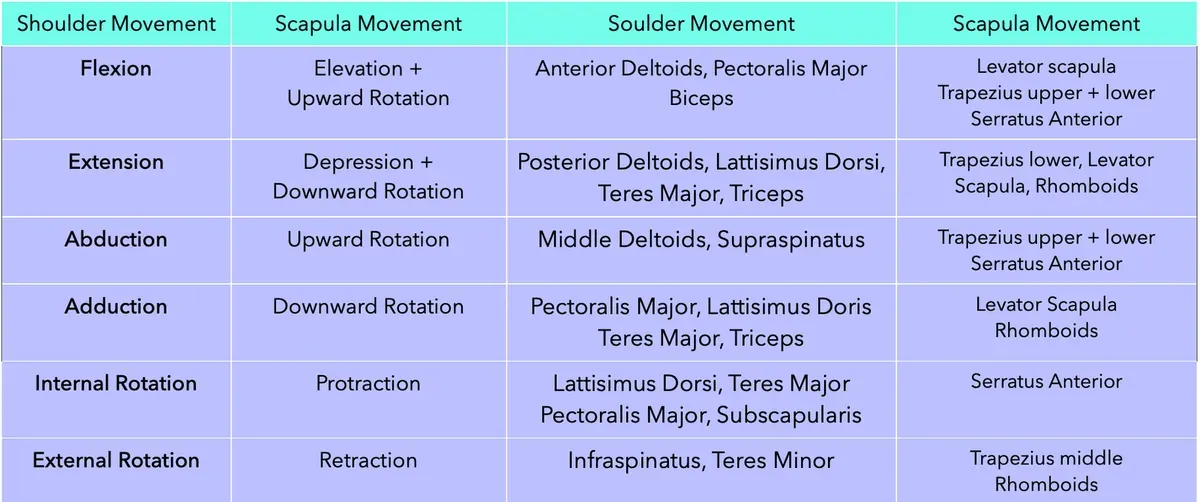
How To Elevate Scapula For Handstand
Shoulders need to aim for a full extension for all the bones to do their jobs and make our handstands as efficient as possible. The scapula elevation is the combination move of upward rotation with abduction. You shrug your shoulders upwardly without squeezing your neck area. Aiming your shoulders towards the ears has a potential issue that your neck can not move freely for balance and longer hold.
Too many open shoulders will make it harder to balance. Closed shoulders will prevent the stacking of your body and make it harder to handstand. Hold your arms up overhead while keeping your chest and ribs in. It should be 180 degrees.
Step 1
Before you extend your arms overhead, spread your shoulder blades apart away from each other with bent elbows to the sides. Then extend your arms. Make sure the elbows are NOT touching the ears. The shoulder blades are still away from each other (scapula abduction). Your palms are facing straight forward. Keep your spine straight instead of arched.
Step 2
Turn your palms inwardly facing backward. Now your shoulders are rotated externally. Then press further upward your shoulders. Your shoulders are lifting differently in comparison with directly shrugging. The neck stays long and has still free space which means the neck area doesn’t feel any tension from shrugging, and the scapulas are still able to slide upwardly. This is the scapula elevation with external rotation and abduction. This move is the best shoulder and scapula placement for a solid foundation for handstands.
Step 3
Now you can turn your palms back to the neutral position just like you do in a handstand. Add external shoulder rotation to create a better range of motion by turning the elbows outwardly and fully extended/ locked. The loose elbows can spread apart easily and collapse from your body weight, it is much harder to press firmly against the ground to push tall through the shoulders to bear your body weight. Remember, always keep a comfortable space in your neck.
This shoulder/scapula elevation is exactly the efficient approach in an upside-down position for handstand in my opinion.
How To Protract Scapula For Handstand
Move the shoulders forward and slide your scapula towards the lower ribcage by rounding the upper back. The scapulas are spreading apart, while you are pushing your upper back backwardly. Both scapulas are moving apart from the spine and forwardly. Below are some of the main reasons why we should adopt an external rotation on the arms/the shoulders and protraction of the scapulas for our handstands:
- In an overhead position, the combination of these movements allows for a more natural shoulder elevation, which among other things increases the range of motion of our shoulder extension, so we're capable of bringing the arms overhead with less discomfort.
- The external rotation generates the elbows to stay locked. This factor will directly influence the efficiency of our handstands.
- The upper back muscles can be activated better to achieve balance skills and endurance as their solid foundation for handstands. You can push harder more comfortably with this engagement.
Let’s summarise today’s topic
How To Control The Scapula For Handstands
A movement where the scapula moves laterally away from the spinal column. This is the key to entering to handstand from the press without kick-up.
We should be working on adopting these scapula motions as soon as possible, as they can potentially have a huge impact on your handstand progress.
I will publish a Part 2 Blog article about this topic with recommended scapula mobility drills.
Thanks for reading this article so far. I appreciate that. Enjoy your handstand journey and happy handstanding! See you in my next article. My next blog post will be released next Thursday.
Please feel free to comment with any questions or feedback on the blog. I am happy to hear from you and will do my best to answer your feedback.
3 Press Handstand Mistakes
Get my free 1-page quick guide and see what may be keeping your feet on the floor.
Get the free guide →
Hi, I'm Yasuko
I teach the press handstand step by step – to students in over 30 countries.
Ready to learn the press?
My complete online program, from first lean to full press.
See the program →HEY, I’M AUTHOR…
... lorem ipsum dolor sit amet, consectetur adipiscing elit, sed do eiusmod tempor incididunt ut labore et dolore magna aliqua. Ut enim ad minim veniam, quis nostrud exercitation ullamco laboris nisi ut aliquip ex ea commodo consequat. Duis aute irure dolor in reprehenderit in voluptate velit esse cillum dolore eu fugiat nulla pariatur. Excepteur sint occaecat cupidatat non proident, sunt in culpa qui officia deserunt mollit anim id est laborum


JOIN MY MAILING LIST

Created with © systeme.io