

Shoulders Mobility and Flexibility for Press Handstand Skills
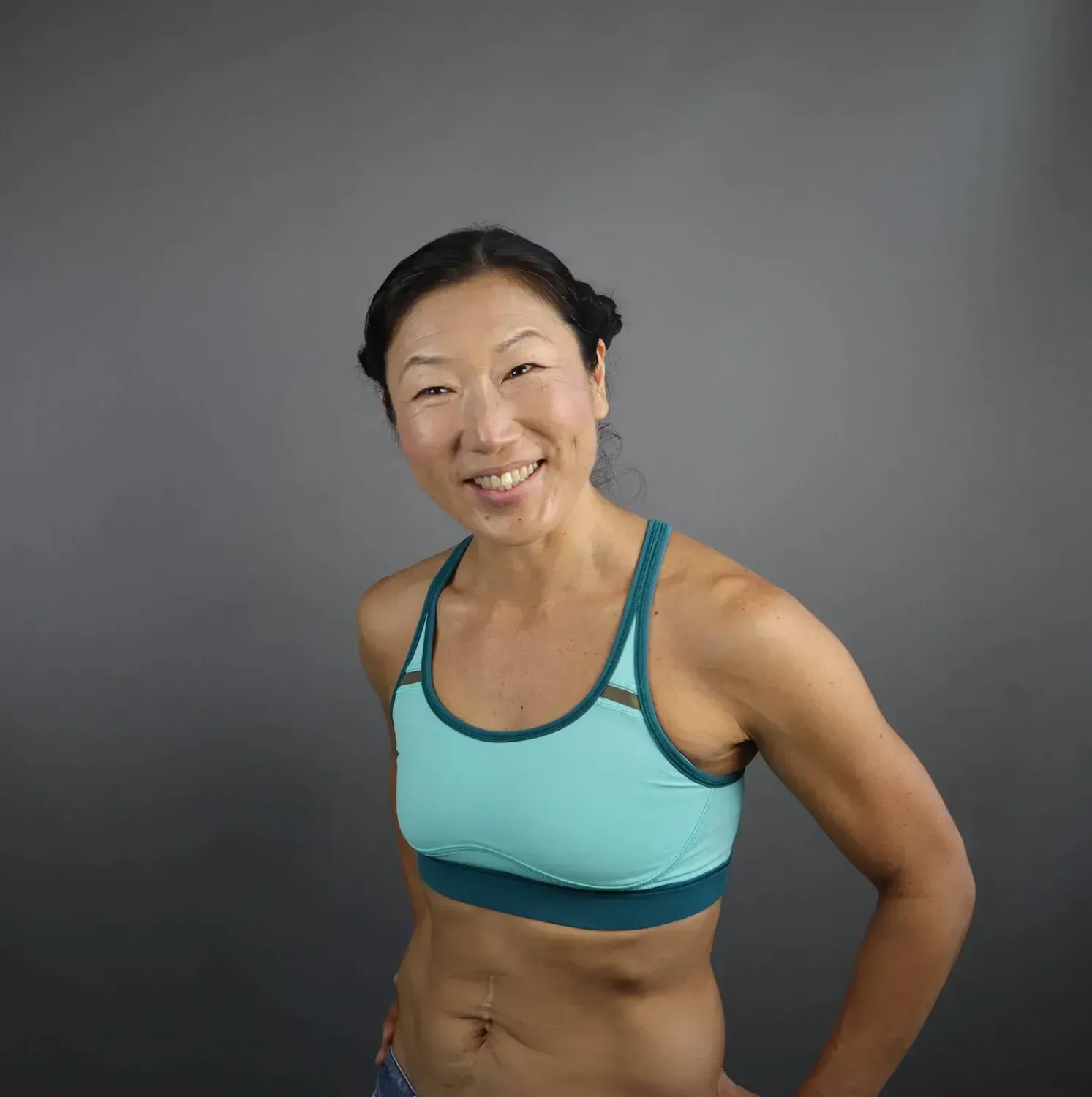
If you learn handstand skills, You need flexible shoulders and mobility in that area. You can’t avoid them. Additionally, it’s possible that a lack of mobility may be holding you back from reaching your potential. Without a full range of motion in shoulders, handstand skills can’t be fully utilized.
In this article, we are going to work on shoulder mobility. I have some amazing game-changer mobility drills.
Before we start with the drills, let's check your shoulder mobility.
Below I have a mobility check video clip. You can just follow and see what your current shoulder range of motion is.
What to do with the shoulders during a handstand can be a little complex, and there is no technique that is 100% correct for everyone. There are, however, a couple of universal concepts that need to be addressed.
The first is locking out the shoulders. This joint is important because it creates a bridge between the base of support (the hands) and the bulk of the body. The handstand hinges around where the shoulders are placed. This means that improper shoulder position is the cause of most broken alignment. This also means that the whole body will react to any movement in the shoulders. This is a joint that must be solid to refine your balance and position. How shoulder stability is achieved is up to the individual. Some prefer to fully elevate the shoulders and push tall, activating the upper trapezius. Others prefer to pack the shoulders, using the lats and lower traps for stability.
The next concept that needs to be addressed is to keep the arms vertical. The shoulders should be directly above the hands. It’s something that can be achieved regardless of the shoulder angle. If the shoulders are in front of the fingers, this is a kind of being in a slight planche. This places more stress on the shoulders and wrists in addition to having a higher energy cost to hold. If this is your base technique, the consequences will add up over time. My handstand concept is holding at ease with minimum muscle strength.
Having the shoulders behind the hands takes the center of mass away from the body and makes it very difficult to balance. In beginners, this is often a symptom of a fear response to avoid falling over. And this is normal and fine for beginners as I always encourage you to practice handstand without walls from the beginning of your journey.
In the ideal position, the shoulders will be at or near 180 degrees to the body. This is what allows us to create the desired shape. People who have hyper-mobile shoulders can sometimes take the “shoulders open” cue too far and go past 180 degrees. This position is not recommended as the stability of the joint is compromised. At a more advanced level you can learn how to balance with increased shoulder flexion, but building a base first is more important. Later on, movement in the shoulders can have an important use in balance correction. However, I cannot stress enough the importance of learning to balance with locked shoulders before adding movement.
The elbows should be locked and turned so that the pits face each other. A useful cue is to think of pressing the elbows in towards each other. This is a crucial piece to using less energy to hold the handstand. When the elbow is straight, the weight of the body can be held up by the bone structure of the arm. At a more advanced level, resting on the elbow joint can allow the practitioner to partly relax their arms. This is similar to how you can relax your quads and glutes when standing with straight knees. A bent arm requires a lot of muscular effort to be able to bear the weight. This means you will fatigue sooner and have an increased chance of the arms collapsing.
A physical reason for bent elbows is to take pressure off the wrists. Also, people with inflexible shoulders can sometimes achieve an open position only with bent elbows. In my personal experience, however, in a free-standing handstand, I would place elbow extension at a higher priority than shoulder opening. Straight elbows are also a must for treating the handstand as a resting position in the more advanced stages of skill development.
Some people can hyperextend at the elbows. In some cases, hyperextension is preferred for both aesthetics and certain techniques. But rest of us need locked/straight elbows.
How to improve the shoulder range of motion
Wall Arm Circle
Arm Circles are a great warm-up and a fun way to work on shoulder mobility. From a standing position, reach one arm overhead and begin circling it behind your body. Point your thumb behind your back. your arms away from your body, rotate your arm in as large of a circle as possible and reverse to starting position. Go slowly at first but feel free to pick up the speed after a few rotations. The common mistake here is moving too fast, too soon, or bent elbows.
Below I have a gentle shoulder mobility drill. Click the video below. It is a game-changer drill.
Don’t Overlook Flexibility Training
Flexibility refers to the muscle’s ability to lengthen. Mobility, on the other hand, is the ability of the joint to move through its full range of motion. While they both refer to the overall range of motion in the shoulder, it’s important to know where the limitation is coming from. Chest expansion is a good way to stretch your back muscles, open your chest, and increase the range of motion in your shoulders.
In my YouTube video for this week, I am introducing 2 amazing effective all-in-one deep shoulder stretches in combination with hamstrings stretches and hip joint flexibility. Both stretches are helpful to increase your shoulder flexibility and a full range of motion. Try them out and let me know how it goes. In the beginning, they might be challenging, but as same as everything else in handstand practice, consistency is your best friend. You will improve day by day, be patient, and focused, move with awareness, and listen to your body. Everything will come.
If you’re new to flexibility training, I urge you to take a yoga class or one-on-one session with an experienced instructor. Though it can be tough to take that first step, it almost always winds up being worth it. Having an instructor there in person adds a lot to the training. You’ll receive guidance and lots of useful cues about things you may have overlooked. There is a lot of variety within the world of yoga for flexibility training and a great deal of physical wisdom.
Let's Summarize For Today!
Why Do We Need Shoulder Mobility + Flexibility?
- A lack of mobility may be holding you back from reaching your potential skills. Without a full range of motion in shoulders, handstand skills can’t be fully utilized.
- Improper shoulder position is the cause of most broken alignment. Movement in the shoulders can have an important use in balance correction. To refine your balance and position, the shoulder full range of motion is essential.
- Locking the shoulders is a crucial piece to using less energy to hold the handstand. When the shoulders and elbows are locked, the weight of the body can be held up by the bone structure of the arm. A bent arm requires a lot of muscular effort to be able to bear the weight which means you will fatigue sooner and have an increased chance of the arms collapsing.
- To keep the arms vertical, the shoulders should be directly above the hands. At or near 180 degrees to the body is what allows us to create the desired shape.
Please feel free to comment with any questions or feedback on the blog. I am happy to to share your thoughts! That's all about this blog.
Thank you guys so much for reading this article so far and I would very much appreciate any comments or any kid of question about this topic.
Be strong, be safe and try harder! See you in my next episode....
3 Press Handstand Mistakes
Get my free 1-page quick guide and see what may be keeping your feet on the floor.
Get the free guide →
Hi, I'm Yasuko
I teach the press handstand step by step – to students in over 30 countries.
Ready to learn the press?
My complete online program, from first lean to full press.
See the program →HEY, I’M AUTHOR…
... lorem ipsum dolor sit amet, consectetur adipiscing elit, sed do eiusmod tempor incididunt ut labore et dolore magna aliqua. Ut enim ad minim veniam, quis nostrud exercitation ullamco laboris nisi ut aliquip ex ea commodo consequat. Duis aute irure dolor in reprehenderit in voluptate velit esse cillum dolore eu fugiat nulla pariatur. Excepteur sint occaecat cupidatat non proident, sunt in culpa qui officia deserunt mollit anim id est laborum


JOIN MY MAILING LIST

Created with © systeme.io